

Why being talked about isn't enough for B2B brands – and what Ramp, Mastercard and Torq can tell us about the difference between getting attention and being remembered.
There is a curious contradiction at the heart of modern B2B marketing. Businesses spend enormous amounts of money trying to attract attention, then devote almost as much effort to making sure they don't say anything particularly distinctive once they've got it.
Companies transform, innovate, collaborate and empower. They deliver solutions, unlock potential and drive growth. Read enough corporate websites or firms’ social feeds and you could be forgiven for thinking that the entire business world is run by the same marketing department.
It's hardly surprising that brands are looking for new ways to stand out. Increasingly, that means creating something people might actually want to talk about.
The term for this, as you probably know, is social currency. Rather than simply buying attention or broadcasting messages, brands aim to create things people voluntarily share, discuss and associate themselves with.
It's a sensible ambition. But it raises a rather important question.
When people talk about your brand, what exactly are they saying?
There's a difference between remembering an entertaining campaign and remembering the company behind it. And a much bigger difference between knowing a business exists and understanding why it matters.
Consider Ramp, the financial technology company that brought skateboarding legends Tony Hawk and Bam Margera to Wall Street. The resulting spectacle, staged outside the New York Stock Exchange, was an inspired collision of worlds. Rather than another campaign about financial efficiency, Ramp created something people might watch even if they had no interest whatsoever in expense management.
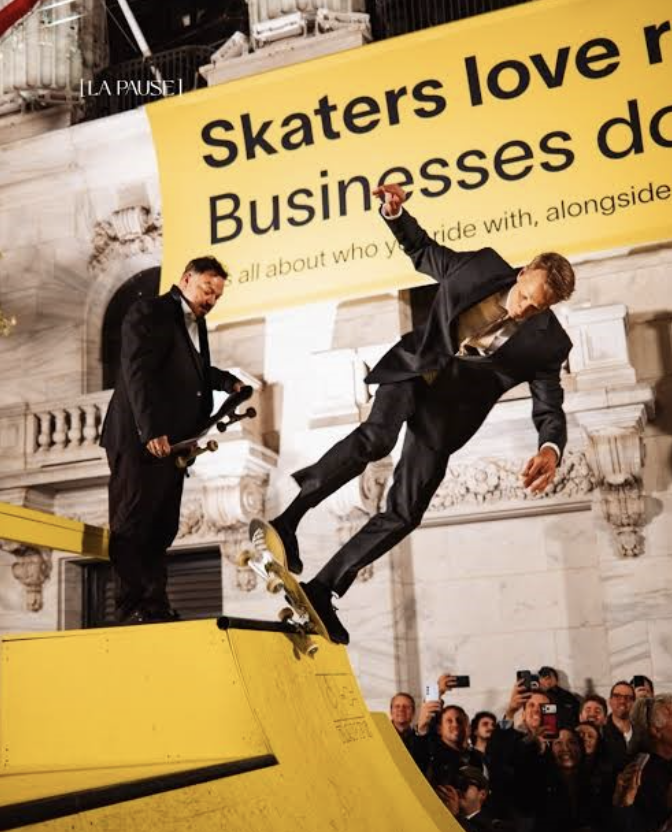
As an exercise in attracting attention, it was rather clever. But what happens when the skateboards have been packed away? Do people remember Ramp, or just Tony Hawk? More importantly, has the experience changed what they understand about the business?
Perhaps it has. But attracting attention and making that attention commercially useful are two different jobs.
Mastercard took a different approach with In the Loop, an editorial series exploring the people, partnerships and technologies shaping payments across Asia Pacific. According to LinkedIn's published case study, it generated 9.8 million impressions, 4.2 million video views and a reported 9% increase in brand favourability.
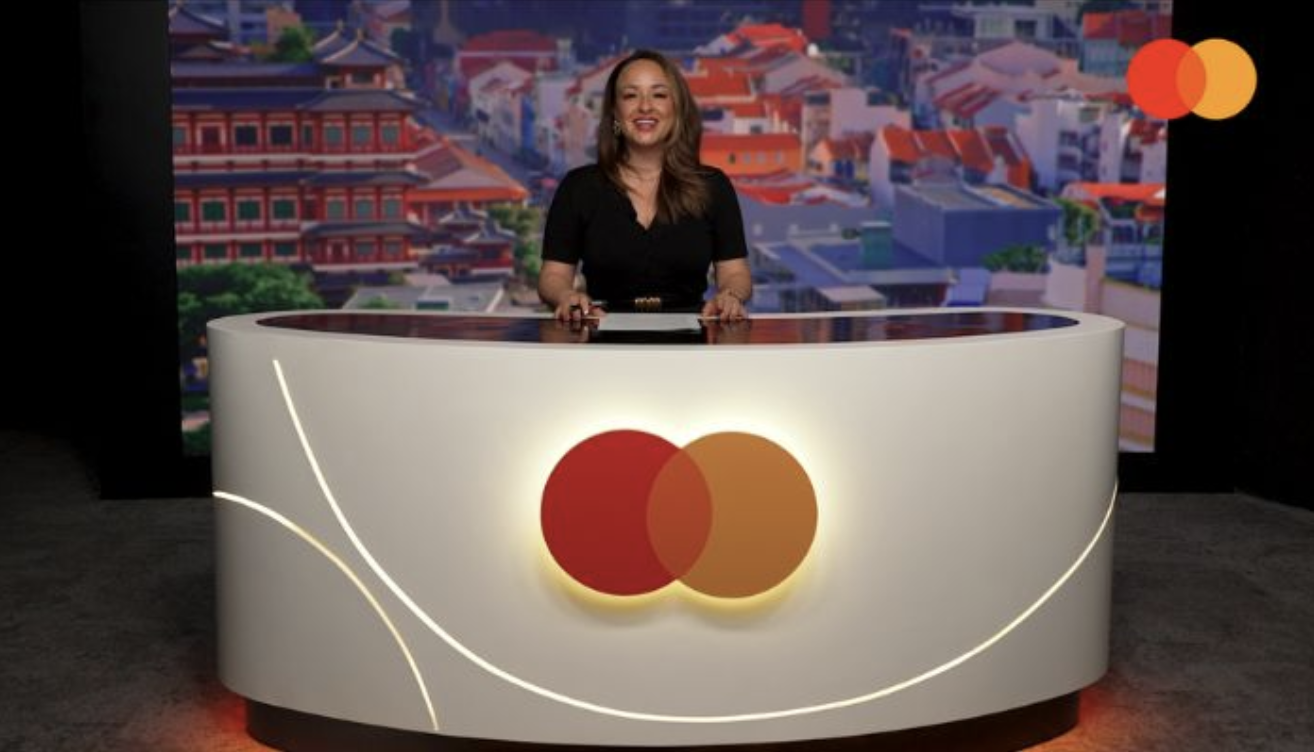
The interesting part isn't really the numbers. It's that Mastercard recognised something many large organisations overlook: it already possessed knowledge, relationships and expertise that other people might find genuinely interesting.
This is particularly relevant to complex B2B businesses. Engineering companies solve extraordinary problems. Law firms help shape decisions that change industries. Infrastructure businesses keep the world functioning. Yet much of this emerges into the public domain as another announcement about a strategic partnership, accompanied by a photograph of two executives looking pleased about it.
The problem is rarely a shortage of interesting material. It's recognising what's interesting about the business and expressing it in a way that matters to somebody else.
Cybersecurity company Torq offers another approach through Trevor, its fictional intern. The character gives the brand a recognisable personality in a category not generally celebrated for its sense of humour. It's memorable, different and provides a reason to follow Torq beyond its products.

But again, the question is what people remember. Trevor might be entertaining, but does that entertainment make Torq more distinctive, more familiar or more likely to be considered?
These examples demonstrate that there are plenty of ways to become interesting. The harder task is becoming known for something.
And for large B2B organisations, that's often where the real difficulty begins.
A business might operate across dozens of markets, employ thousands of specialists and offer an almost bewildering variety of services. Every division has something important to say. Marketing is left to reconcile these competing demands, usually by finding a sufficiently broad set of words that nobody can object to.
The result is often reassuringly inclusive and almost entirely forgettable.
Being known for something requires choices. It means deciding what matters most, what makes the organisation valuable and what people should remember when everything else has been forgotten.
It also means creating an idea that works beyond the campaign. One that employees recognise, sales teams can use and customers can repeat. Something that helps the business explain itself, rather than simply providing marketing with another thing to talk about.
This is where the real value of brand lies. Not just in gaining attention, but in making an organisation easier to understand, easier to remember and ultimately easier to choose.
Of course, reach, impressions and engagement still matter. But they're measures of exposure and response, not necessarily of understanding. A million people might watch something without forming a particularly useful impression of the company responsible. A few hundred of the right people might encounter an idea that fundamentally changes how they see a business.
The challenge is knowing the difference.
So perhaps, rather than asking how we can get more people talking about our brands, we should start with a different question.
What would we actually like them to say?
Because being talked about is one thing.
Being known for something is another.
Read our minds